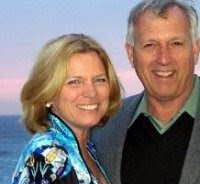
In November of 2005 my whole family decided that we wanted to spend Thanksgiving week with my dad and his wife, Lilly at their home in Sequim, Washington. My mom passed away in 1996 and two years later Dad married Lilly, who we would all come to know and love like our own mother and grandmother. Dad had been struggling with his health some, and we made it our goal to simply bless them as best we could. We wanted to spoil them by doing all the cooking and cleaning up for them while we were there. I told my three grown daughters that this would be a good time to ask them everything they wanted to know about them.
We had a very memorable week with Dad and Lil. It was one of the best weeks we have ever spent with them. More special now than ever, since Dad passed away unexpectedly in August of 2008. My only regret was that we didn't make more of a record of our time by writing stuff down or taking videos of Dad and Lilly as they told us about their lives.
My good friends, John Coulombe and Bambi Encarnation, lead the Older Adult Ministry at Fullerton Evangelical Free Church. They are two of the most effective and innovative leaders in the entire nation. They do many things so well, but John recently sent me some resources that they use to help their people live and leave a legacy for their families and loved ones. One of the things they help their people with is what they call a "Living Eulogy". Using a list of really great questions, they help people craft their stories to leave behind for others to enjoy. Here is the list of questions that they use:
Childhood
1. Which relative spent time with you as a child? What did you do?
2. Who was your favorite childhood friend?
3. When you were growing up, which room did the family spend the most time in? Describe it.
4. What were Christmas, Thanksgiving, Easter, summer, winter, spring, and fall like as a child?
5. What was your most embarrassing experience in school? What was your school like? Describe it.
6. With whom did you talk over your problems when growing up? As an adult?
7. What was your church like when you were 15 years old?
8. What was the grocery store like when you were 10 years old?
9. What were some of the ‘pranks you used to pull as a child/teen?
10. What activity, besides eating, went on at the kitchen table in your home when you were growing up?
11. Who were the religious and political leaders during your childhood/teen/young adult years?
12. Name/describe your first pet and your favorite pet.
13. What sports events did you enjoy watching/participating in as a child/teen?
14. Who would normally wake you up as a child?
15. What was a typical day as a child/teen?
16. Sing a popular song from your teen years.
17. What nickname did you have? Which one did you like? Dislike?
Which one do you wish you had?
18. Describe a favorite childhood game.
19. Tell about an aroma you recall from your childhood.
20. Share a “woodshed” experience.
21. Describe a favorite item in your childhood home.
22. What was your favorite family dinner as a child?
23. Describe your yard as a child.
24. What did you do on a Saturday night as a child? As a teen?
Parents & Relatives
25. What was your fathers/mother’s favorite food?
26. What did he/she do for a living?
27. What did your parents do for ”fun”?
28. Tell me about your parents’ physical features.
29. What state/country did your grandparents come from?
30. What is one word to describe your Mom and Dad’s personality?
31. What are the names/birth dates of all your brothers/sisters? Your children?
Grandchildren?
32. Describe the house/place where your grandparents lived.
33. Share the best thing about one of your brothers or sisters.
34. What made father/mother sad?
35. What was one of your parent’s favorite sayings?
36. What were your grandparents’ occupations?
37. What family incident is often talked about?
Medical History
38. What medical history should be known by your family?
Molders & Shapers
39. What did your parents think was most important in life?
40. What traditions would you most like to see passed on as family traditions?
41. What three people have you admired most in your life?
42. Besides your spouse, who has had the greatest influence on your life?
43. What were some of your most foolish decisions?
44. What part did your parents play in your religious training?
Gleaned Messages
45. What advice would you give about marriage/parenting? If you could do it over, what would you do differently?
46. If you could tell the younger generation one thing, what would that be?
Spiritual Life
47. If you were beginning your experience with Christ over, what would you do differently? Do the same?
48. Tell about your earliest faith experience.
Difficult Moments
49. What was the most difficult/painful experience you had as a child? As a teen? As an adult?
50. What was the hardest thing to do in all your life?
51. What was the most challenging experience of your life?
52. What was the most difficult death you ever experienced? Why?
Special Moments
53. Describe your wedding day.
54. What was the most fun you ever had?
55. Describe your first boyfriend/girlfriend?
56. Share a miracle you saw or experienced.
57. Share about the most famous person you ever met.
58. Tell about a special birthday you had.
Potpourri
59. In how many places have you lived? Which did you like the best? Why?
60. What item do you own that you value the most?
61. Tell a story about chewing gum.
62. Tell a story about something you lost or forgot?
63. What is your all-time pet peeve?
64. Describe the types of jobs you have held throughout your life. Which did you like the most? The least? Why?
65. Tell about some significant turning points in your life.
66. What are you thankful that you learned early in life (before age 25)?
(from a mentor, teacher, coach, roommate, and parent)
67. What do you wish you had learned much earlier before becoming an adult (and maybe are still learning)?
68. Name your accomplishments of which you are proudest.
69. Name experiences or events you regret.
70. Looking back, what is one of the best decisions you ever made? (Besides your conversion and marriage.)
71. What was the worst decision you ever made?
72. State an area of strength in your life
• which has given you fulfillment
• in which you excel
73. Specify an area of life that remains a struggle.
74. Tell of a specific answer to prayer in the past year.
75. Mention something that you are still waiting for God to do in the future.
As you can imagine, there is great value in doing this sort of thing with your families. Just a little investment in time to draw this stuff out and to archive it as a written or recorded history will create a great blessing to the families and preserve their legacy. Just think how much of this has been lost for surviving generations simply because nobody took the time to somehow save it for posterity.
You are out of excuses now. Get on with it.
We had a very memorable week with Dad and Lil. It was one of the best weeks we have ever spent with them. More special now than ever, since Dad passed away unexpectedly in August of 2008. My only regret was that we didn't make more of a record of our time by writing stuff down or taking videos of Dad and Lilly as they told us about their lives.
My good friends, John Coulombe and Bambi Encarnation, lead the Older Adult Ministry at Fullerton Evangelical Free Church. They are two of the most effective and innovative leaders in the entire nation. They do many things so well, but John recently sent me some resources that they use to help their people live and leave a legacy for their families and loved ones. One of the things they help their people with is what they call a "Living Eulogy". Using a list of really great questions, they help people craft their stories to leave behind for others to enjoy. Here is the list of questions that they use:
Childhood
1. Which relative spent time with you as a child? What did you do?
2. Who was your favorite childhood friend?
3. When you were growing up, which room did the family spend the most time in? Describe it.
4. What were Christmas, Thanksgiving, Easter, summer, winter, spring, and fall like as a child?
5. What was your most embarrassing experience in school? What was your school like? Describe it.
6. With whom did you talk over your problems when growing up? As an adult?
7. What was your church like when you were 15 years old?
8. What was the grocery store like when you were 10 years old?
9. What were some of the ‘pranks you used to pull as a child/teen?
10. What activity, besides eating, went on at the kitchen table in your home when you were growing up?
11. Who were the religious and political leaders during your childhood/teen/young adult years?
12. Name/describe your first pet and your favorite pet.
13. What sports events did you enjoy watching/participating in as a child/teen?
14. Who would normally wake you up as a child?
15. What was a typical day as a child/teen?
16. Sing a popular song from your teen years.
17. What nickname did you have? Which one did you like? Dislike?
Which one do you wish you had?
18. Describe a favorite childhood game.
19. Tell about an aroma you recall from your childhood.
20. Share a “woodshed” experience.
21. Describe a favorite item in your childhood home.
22. What was your favorite family dinner as a child?
23. Describe your yard as a child.
24. What did you do on a Saturday night as a child? As a teen?
Parents & Relatives
25. What was your fathers/mother’s favorite food?
26. What did he/she do for a living?
27. What did your parents do for ”fun”?
28. Tell me about your parents’ physical features.
29. What state/country did your grandparents come from?
30. What is one word to describe your Mom and Dad’s personality?
31. What are the names/birth dates of all your brothers/sisters? Your children?
Grandchildren?
32. Describe the house/place where your grandparents lived.
33. Share the best thing about one of your brothers or sisters.
34. What made father/mother sad?
35. What was one of your parent’s favorite sayings?
36. What were your grandparents’ occupations?
37. What family incident is often talked about?
Medical History
38. What medical history should be known by your family?
Molders & Shapers
39. What did your parents think was most important in life?
40. What traditions would you most like to see passed on as family traditions?
41. What three people have you admired most in your life?
42. Besides your spouse, who has had the greatest influence on your life?
43. What were some of your most foolish decisions?
44. What part did your parents play in your religious training?
Gleaned Messages
45. What advice would you give about marriage/parenting? If you could do it over, what would you do differently?
46. If you could tell the younger generation one thing, what would that be?
Spiritual Life
47. If you were beginning your experience with Christ over, what would you do differently? Do the same?
48. Tell about your earliest faith experience.
Difficult Moments
49. What was the most difficult/painful experience you had as a child? As a teen? As an adult?
50. What was the hardest thing to do in all your life?
51. What was the most challenging experience of your life?
52. What was the most difficult death you ever experienced? Why?
Special Moments
53. Describe your wedding day.
54. What was the most fun you ever had?
55. Describe your first boyfriend/girlfriend?
56. Share a miracle you saw or experienced.
57. Share about the most famous person you ever met.
58. Tell about a special birthday you had.
Potpourri
59. In how many places have you lived? Which did you like the best? Why?
60. What item do you own that you value the most?
61. Tell a story about chewing gum.
62. Tell a story about something you lost or forgot?
63. What is your all-time pet peeve?
64. Describe the types of jobs you have held throughout your life. Which did you like the most? The least? Why?
65. Tell about some significant turning points in your life.
66. What are you thankful that you learned early in life (before age 25)?
(from a mentor, teacher, coach, roommate, and parent)
67. What do you wish you had learned much earlier before becoming an adult (and maybe are still learning)?
68. Name your accomplishments of which you are proudest.
69. Name experiences or events you regret.
70. Looking back, what is one of the best decisions you ever made? (Besides your conversion and marriage.)
71. What was the worst decision you ever made?
72. State an area of strength in your life
• which has given you fulfillment
• in which you excel
73. Specify an area of life that remains a struggle.
74. Tell of a specific answer to prayer in the past year.
75. Mention something that you are still waiting for God to do in the future.
As you can imagine, there is great value in doing this sort of thing with your families. Just a little investment in time to draw this stuff out and to archive it as a written or recorded history will create a great blessing to the families and preserve their legacy. Just think how much of this has been lost for surviving generations simply because nobody took the time to somehow save it for posterity.
You are out of excuses now. Get on with it.