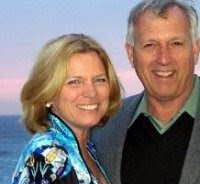
One of the common themes and challenges that has surfaced in our two Encore Generation Leadership Communities is how to make the church more intergenerational. So many of our churches have become siloed in their approaches to ministry. Each age group or department tends has its own leadership and operates as a separate entity. Consequently, the church in America has lost its sense of family and community. Many feel that this is a huge detriment to the church. I happen to think that this is a huge, unmet yet paradoxically unfelt need of the church in this day. I also think that the leaders of the Older Adult Ministries are the ones with the greatest potential to lead the church into a necessary change.
One of the observations I have made since I began working in this area of ministry nearly 3 years ago is that many of you have experimented with a number of programs and events designed to connect older adults with younger age groups. Most of these have happened at the initiative of the Older Adult Leaders. I have probably heard of over 20 efforts, ranging from an annual miniature golf competition involving older adults and high schoolers (Cedar Mill Bible Church, Beaverton, Oregon) to the Senior Prom for high school graduates of the classes of 1935 to 2005. This event was sponsored and led by John Coulombe and Bambi Encarnacion (First Evangelical Free Church, Fullerton, CA). Ralph Carmichael’s swing band provided live music, and couples in their 20’s were on the dance floor with couples in their 80’s. Over 700 people of all ages attended and had a ball.
I mentioned above that the need to intergenerate is a largely unfelt need, but when somebody takes the initiative to do something intergenerational, everybody, loves it and most even ask, “Why don’t we do more of this at the church?” Usually innovative people are familiar with both great successes and great failures as they attempt new things. Of all the intergenerational efforts I have heard about I am not aware of a single one that bombed. Though in the current church culture there aren’t an abundance of folks crying out to do intergenerational ministry, these same people will love you for making it happen and for involving them in the experience.
Amy Hanson, who has written two wonderful papers out of our Encore Generation Leadership Community experience, is working on a third paper that will be focused on this theme. It should be available in the next month or so for you to download free from our website (www.leadnet.org).
Thursday, June 5, 2008

Monday, March 31, 2008
Boomers: Is Ageism Attacking Your Self Esteem?

Being a leading edge baby boomer, I can personally relate to many of the challenges and opportunities that are in front of out generation. I have been greatly encouraged by much of the stuff I have read about growing older in this great country. Though the years ahead could very well be the best years and most productive years of our lives, many of us need to deal with a number of realities about how old we are, who we are in terms of our health, personal relationships and friendships, our financial circumstances, and our past experiences.
It has been very eye-opening to me as I have seen the insidious affect that ageism on the baby boomers in our culture. A friend of mine recently told me about a person he knows who at the age of 60 was given his pink slip at work. He was one of three founders of what is now a massive communications company. They wanted him to move on. The man is very successful and is financially set for the rest of his life, but he was really taken back by this experience. He wondered if perhaps the best years of his life were behind him.
If ageism can do that to a man who has seen phenomenal success in his profession and who has more than enough money to comfortably live the rest of his life without receiving another paycheck, what does that say to the rest of us run-of-the-mill baby boomers? I think there are tens of millions of boomers who have pretty much bought into what society is telling them and what they have now come to believe about themselves--"You are on the shelf." "Get used to it." "Get out of the way." "You're not needed around here anymore."
Two of the best books I have read about our generation are The Power Years (A User's Guide for the Rest of Your Life), by Ken Dychtwald and Daniel Kadlec and Encore (Finding Work that Matters in the Second Half of Life), by Marc Freedman. Both of these books make some pretty compelling arguments about the positive impact the Baby Boomer can make on society provided that they manage themselves well and make good choices about how they want to invest their lives in the second half.
Though the potential to transition well into the second half of life is great, many will find it to be a rougher road than others. Marc Freedman writes:
It has been very eye-opening to me as I have seen the insidious affect that ageism on the baby boomers in our culture. A friend of mine recently told me about a person he knows who at the age of 60 was given his pink slip at work. He was one of three founders of what is now a massive communications company. They wanted him to move on. The man is very successful and is financially set for the rest of his life, but he was really taken back by this experience. He wondered if perhaps the best years of his life were behind him.
If ageism can do that to a man who has seen phenomenal success in his profession and who has more than enough money to comfortably live the rest of his life without receiving another paycheck, what does that say to the rest of us run-of-the-mill baby boomers? I think there are tens of millions of boomers who have pretty much bought into what society is telling them and what they have now come to believe about themselves--"You are on the shelf." "Get used to it." "Get out of the way." "You're not needed around here anymore."
Two of the best books I have read about our generation are The Power Years (A User's Guide for the Rest of Your Life), by Ken Dychtwald and Daniel Kadlec and Encore (Finding Work that Matters in the Second Half of Life), by Marc Freedman. Both of these books make some pretty compelling arguments about the positive impact the Baby Boomer can make on society provided that they manage themselves well and make good choices about how they want to invest their lives in the second half.
Though the potential to transition well into the second half of life is great, many will find it to be a rougher road than others. Marc Freedman writes:
Today we face the prospect of tens of millions of boomers moving through their fifties and into their sixties. Some are crossing from military life to civilian roles, much like their predecessors after World War II. For most, it's a divide in the life cycle, a move from well-established terrain to a new phase of life and work that remains poorly defined but will last for decades. If they fail to navigate this transition successfully, if they are left at loose ends, underemployed, lacking purpose, feeling diminished and betrayed, the results could be disastrous for the economy, for society, and for individuals. (Encore p.195)
What kinds of roles might the church play in helping this historic generation of Americans figure out what is going on in their lives at this juncture? Could we do something that would help them make this transition well by plugging them into work that would help expand the kingdom. Could we help them tie up some of these loose ends, offer them opportunities to serve that would fill the purpose vacuum that many are feeling during these years. By doing this for them, we could breathe new life and energy into them so that they would feel better about themselves and more hopeful about the decades that lie ahead of them.
I think the church is up to this challenge. I think it needs to be. How about you?
What kinds of roles might the church play in helping this historic generation of Americans figure out what is going on in their lives at this juncture? Could we do something that would help them make this transition well by plugging them into work that would help expand the kingdom. Could we help them tie up some of these loose ends, offer them opportunities to serve that would fill the purpose vacuum that many are feeling during these years. By doing this for them, we could breathe new life and energy into them so that they would feel better about themselves and more hopeful about the decades that lie ahead of them.
I think the church is up to this challenge. I think it needs to be. How about you?
Tuesday, March 11, 2008
Managing Yourself
In Marc Freedman's outstanding book, Encore, he makes the point that with today's lifespans, people's working careers are lasting as long as 50 years. "Today, knowledge workers in particular 'are not finished after 40 years on the job, they are merely bored.' (quoting Peter Drucker) To Drucker, the talk about midlife crisis for the professional worker is mostly about boredom. He wrote that most individuals, by age forty-five, are good at their jobs, 'but they are not learning or contributing or deriving challenge and satisfaction from the job'. Nontheless, they face another two, three, or even four decades of work."
(Click on this link to view video clips of Marc Freedman regarding Encore Careers) www.encore.org/more-videos
According to Drucker, the ones who will actually break out of this boredom and begin second careers are those who learn to "manage themselves".
For motivated people wanting to make a difference with their work and with their lives, this sort of boredom or plateauing on the job causes them to launch into a new career. Some won't have the courage to change the trajectory of their career. They will just gut it out until they can retire and then do whatever they want with their time. Many will recognize the disonance they feel between what they are giving their best hours of work to and the yearning they feel inside to do something more significant. They will break out of the boredom and launch out in a new encore career.
I wonder a lot about how many people in our churches are at or near this place in their lives. In what ways can these churches offer them ways to recareer themselves to help expand the kingdom of God in new ways? Are the opportunities for them to serve in the church just too narrow and too insignificant to engage the best efforts of men and women who want to launch out in new careers? Might this be the place to find new full-time, part-time, or volunteer staff for a visionary, missional church? A friend of mine believes that many of these people are saying to their churches, "Use me or lose me." What they mean by this is that they want to make a difference in the lives of others in their church and in their community, and they would prefer to do it with and through their own church. But if the church has no place for them, they will find a place somewhere else where they can make a difference.
I think that the forward thinking churches will recognize the huge numbers of people in this phase of life. They will engage them in the process of managing and even reshaping their careers to make a significant investment in the lives of others in the church, in the community, and in the world. Isn't that what we are all about?
(Click on this link to view video clips of Marc Freedman regarding Encore Careers) www.encore.org/more-videos
According to Drucker, the ones who will actually break out of this boredom and begin second careers are those who learn to "manage themselves".
For motivated people wanting to make a difference with their work and with their lives, this sort of boredom or plateauing on the job causes them to launch into a new career. Some won't have the courage to change the trajectory of their career. They will just gut it out until they can retire and then do whatever they want with their time. Many will recognize the disonance they feel between what they are giving their best hours of work to and the yearning they feel inside to do something more significant. They will break out of the boredom and launch out in a new encore career.
I wonder a lot about how many people in our churches are at or near this place in their lives. In what ways can these churches offer them ways to recareer themselves to help expand the kingdom of God in new ways? Are the opportunities for them to serve in the church just too narrow and too insignificant to engage the best efforts of men and women who want to launch out in new careers? Might this be the place to find new full-time, part-time, or volunteer staff for a visionary, missional church? A friend of mine believes that many of these people are saying to their churches, "Use me or lose me." What they mean by this is that they want to make a difference in the lives of others in their church and in their community, and they would prefer to do it with and through their own church. But if the church has no place for them, they will find a place somewhere else where they can make a difference.
I think that the forward thinking churches will recognize the huge numbers of people in this phase of life. They will engage them in the process of managing and even reshaping their careers to make a significant investment in the lives of others in the church, in the community, and in the world. Isn't that what we are all about?
Tuesday, January 22, 2008
Harvey Scarper: Ordinary Hero
One of the pet peaves that I have with churches is that they often profile people who are extraordinary in some way. Whether it is the famous local or national athlete who is openly a Christian and willing to talk publicly about it, the wealthy, successful businessman who loves Jesus and gives to various causes and gets his name put on buildings he helps to buy, or the person who lived a very dark life of crime, sexual promiscuity, drug addiction, or gang violence whose life was drammatically turned around by an encounter with Jesus.
One of the problems I have with this, as wonderful as it is, and though it may really move the audience, there is very little identification or personal application for the hearer. For this reason I have been recently inspired by the stories of ordinary people who have decided to invest their lives in significant ways because of their love for an extraordinary God. These are ordinary heroes. They are the sort of people that when you hear their story you respond by saying to yourself and to others, "I could do something like this."
Harvey Scarper was an ordinary hero of this kind. He truly was a reflection of the Encore Generation. Harvey's encore began shortly after he lost his wife, Loretta in 1989. Up until that time Harvey didn't do much other than attend on Sundays. He was very lonely after Loretta died, so he went to Dave McElheran, the director of the older adult ministry at the church and asked Dave why the Lord didn't heal Loretta from her illness when he had prayed regularly for her. Dave told him that Loretta had been healed completely, and that she was rejoicing in the presence of God who loved her.
Harvey asked Dave how he might be more connected to the church, and Dave asked him to volunteer watching the 5 and 6 year old children at the church one night a week so that their parents could attend a marriage class. Harvey's first response was to say to Dave that he didn't really like kids that much, but "what the heck, I'll give it a try." He showed videos to the kids and entertained them a bit, and he really enjoyed it. Sometime after that he was asked to work with 3 and 4 year olds, and had a good time doing that.
Harvey had a part-time job at a popular local market where he let the customers sample cheeses they were selling at the Deli. He befriended hundreds of regular shoppers who would always stop by, sample some cheese and receive a warm greeting from Harvey. He was greatly loved by all the shoppers of all ages.
Harvey developed a taste for doing significant things to help others. He was a World War II Veteran, and he asked Dave on year if he could organize an event to appreciate other WWII Veterans in the area. He called up all his buddies and asked him to bring their stuff to the church on Memorial Day Weekend where they were recognized and honored for their service.
Shortly after Katrina hit the gulf coast, the church organized a relief team to go to Slidell, Louisiana. Harvey joined the team and had the time of his life cooking for the team, and connecting with many of the high school kids on the trip. While in Slidell he began to experience a lot of pain in his arms and shoulders. When he returned home he saw a doctor and learned that he had cancer in his bones. Harvey was so thrilled to know that even though he had cancer, he was able to experience the mission trip to Slidell.
Even though Harvey knew that he had only a few months to live, he made the most of it. The high school pastor did an interview with Harvey for about 150 high school kids who had fallen in love with him. When he could no longer work at the store, people began asking about how Harvey was doing. Dave arranged for Harvey to go back to work at the store for two hours one Saturday. They announced that he would be there the week prior to that. On that Saturday morning, people were lined up out into the parking lot of the store. Hundreds of people came to see Harvey, and 240 cards with notes were given to him. It took the entire 2 hours for everybody to have the chance to see him.
When he experienced moments of pain, he would ask people to read the cards to him. After Harvey could no longer leave his home, he asked Dave if there was anything he could do to minister to the folks at Cedar Mill Bible Church. Dave told him that he could pray. Harvey was ready for his final encore, his command performance if you will. He organized a prayer book and made a list of people and their needs and arranged it by people he prayed for daily, weekly, and monthly.
During the last few weeks of Harvey's life he needed people at his bedside around the clock. People signed up for two hour watches. Most of the people who volunteered to be with Harvey through the nights were the high school kids who were so dearly loved by Harvey. It was their simple way to love him back.
Harvey would have been the first to say that apart from losing his dear wife, Loretta, the best years of his life were the last 7 of them. These were the years that he finally decided to get serious about his relationship with Jesus and about living to impact and influence the lives of others for His sake. Harvey was an Ordinary Hero. May millions of others follow his example with the same sort of encores.
One of the problems I have with this, as wonderful as it is, and though it may really move the audience, there is very little identification or personal application for the hearer. For this reason I have been recently inspired by the stories of ordinary people who have decided to invest their lives in significant ways because of their love for an extraordinary God. These are ordinary heroes. They are the sort of people that when you hear their story you respond by saying to yourself and to others, "I could do something like this."
Harvey Scarper was an ordinary hero of this kind. He truly was a reflection of the Encore Generation. Harvey's encore began shortly after he lost his wife, Loretta in 1989. Up until that time Harvey didn't do much other than attend on Sundays. He was very lonely after Loretta died, so he went to Dave McElheran, the director of the older adult ministry at the church and asked Dave why the Lord didn't heal Loretta from her illness when he had prayed regularly for her. Dave told him that Loretta had been healed completely, and that she was rejoicing in the presence of God who loved her.
Harvey asked Dave how he might be more connected to the church, and Dave asked him to volunteer watching the 5 and 6 year old children at the church one night a week so that their parents could attend a marriage class. Harvey's first response was to say to Dave that he didn't really like kids that much, but "what the heck, I'll give it a try." He showed videos to the kids and entertained them a bit, and he really enjoyed it. Sometime after that he was asked to work with 3 and 4 year olds, and had a good time doing that.
Harvey had a part-time job at a popular local market where he let the customers sample cheeses they were selling at the Deli. He befriended hundreds of regular shoppers who would always stop by, sample some cheese and receive a warm greeting from Harvey. He was greatly loved by all the shoppers of all ages.
Harvey developed a taste for doing significant things to help others. He was a World War II Veteran, and he asked Dave on year if he could organize an event to appreciate other WWII Veterans in the area. He called up all his buddies and asked him to bring their stuff to the church on Memorial Day Weekend where they were recognized and honored for their service.
Shortly after Katrina hit the gulf coast, the church organized a relief team to go to Slidell, Louisiana. Harvey joined the team and had the time of his life cooking for the team, and connecting with many of the high school kids on the trip. While in Slidell he began to experience a lot of pain in his arms and shoulders. When he returned home he saw a doctor and learned that he had cancer in his bones. Harvey was so thrilled to know that even though he had cancer, he was able to experience the mission trip to Slidell.
Even though Harvey knew that he had only a few months to live, he made the most of it. The high school pastor did an interview with Harvey for about 150 high school kids who had fallen in love with him. When he could no longer work at the store, people began asking about how Harvey was doing. Dave arranged for Harvey to go back to work at the store for two hours one Saturday. They announced that he would be there the week prior to that. On that Saturday morning, people were lined up out into the parking lot of the store. Hundreds of people came to see Harvey, and 240 cards with notes were given to him. It took the entire 2 hours for everybody to have the chance to see him.
When he experienced moments of pain, he would ask people to read the cards to him. After Harvey could no longer leave his home, he asked Dave if there was anything he could do to minister to the folks at Cedar Mill Bible Church. Dave told him that he could pray. Harvey was ready for his final encore, his command performance if you will. He organized a prayer book and made a list of people and their needs and arranged it by people he prayed for daily, weekly, and monthly.
During the last few weeks of Harvey's life he needed people at his bedside around the clock. People signed up for two hour watches. Most of the people who volunteered to be with Harvey through the nights were the high school kids who were so dearly loved by Harvey. It was their simple way to love him back.
Harvey would have been the first to say that apart from losing his dear wife, Loretta, the best years of his life were the last 7 of them. These were the years that he finally decided to get serious about his relationship with Jesus and about living to impact and influence the lives of others for His sake. Harvey was an Ordinary Hero. May millions of others follow his example with the same sort of encores.
Subscribe to:
Posts (Atom)